
Welcome 👋 At Mockly, we help non-native tech professionals succeed in English interviews. Start with the free interview guide ->
How to Prepare for a Job Interview in English (Step-by-Step Guide)
Preparing for a job interview in English requires more than memorizing answers. It requires strategy, structure, and deliberate speaking practice.
Most interviews are lost because of:
Poor answer structure
Weak examples
No measurable results
Speaking too fast under pressure
Lack of company research
This step-by-step guide will show you exactly how to prepare effectively.
Why English Interviews Feel Harder
Interviewing in English adds three extra challenges:
You must think clearly under pressure.
You must communicate concisely.
You must manage tone, pacing, and pronunciation.
The solution is preparation that focuses on structure, not perfection.
Step 1: Understand the Type of Interview
Different interviews require different preparation.
Common types include:
Phone screen (short recruiter call)
Hiring manager interview (deep experience discussion)
Team or panel interview (culture and collaboration focus)
Skills-based interview (technical or case assessment)
Final interview (clarification and decision stage)
Quick tip: Your introduction or elevator pitch has the highest ROI. So you need to polish this.
Quick tip: Think about your unique selling point. What makes you different?
Knowing the format reduces anxiety significantly.
Step 2: Research the Company Strategically
Research is not about memorizing company history.
It’s about answering one question:
How can I position myself as a solution to their needs?
Research:
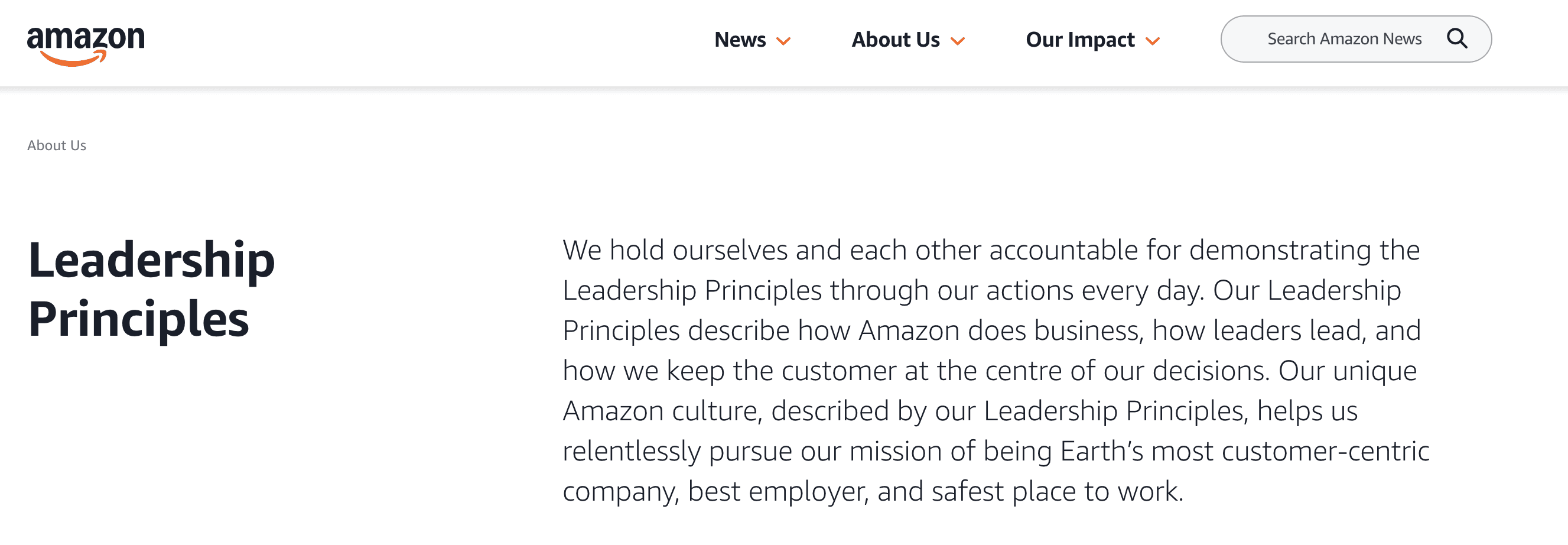
Company mission and values (see amazon LP for this: https://www.aboutamazon.co.uk/who-we-are/leadership-principles)
Products or services
Recent expansion or news
Target customers
Competitors
Company culture
Interview and their role at the company
Then connect your experience directly.
Instead of saying:
“I really like your company.”
Say:
“I saw that your company is expanding into Southeast Asia. In my previous role, I managed regional market research, which could support that growth.”
Remember: Specific > General.
Being specific is ALWAYS better than being vague and general. Don't do this.
That is strategic preparation.
Step 3: Analyze the Job Description Carefully
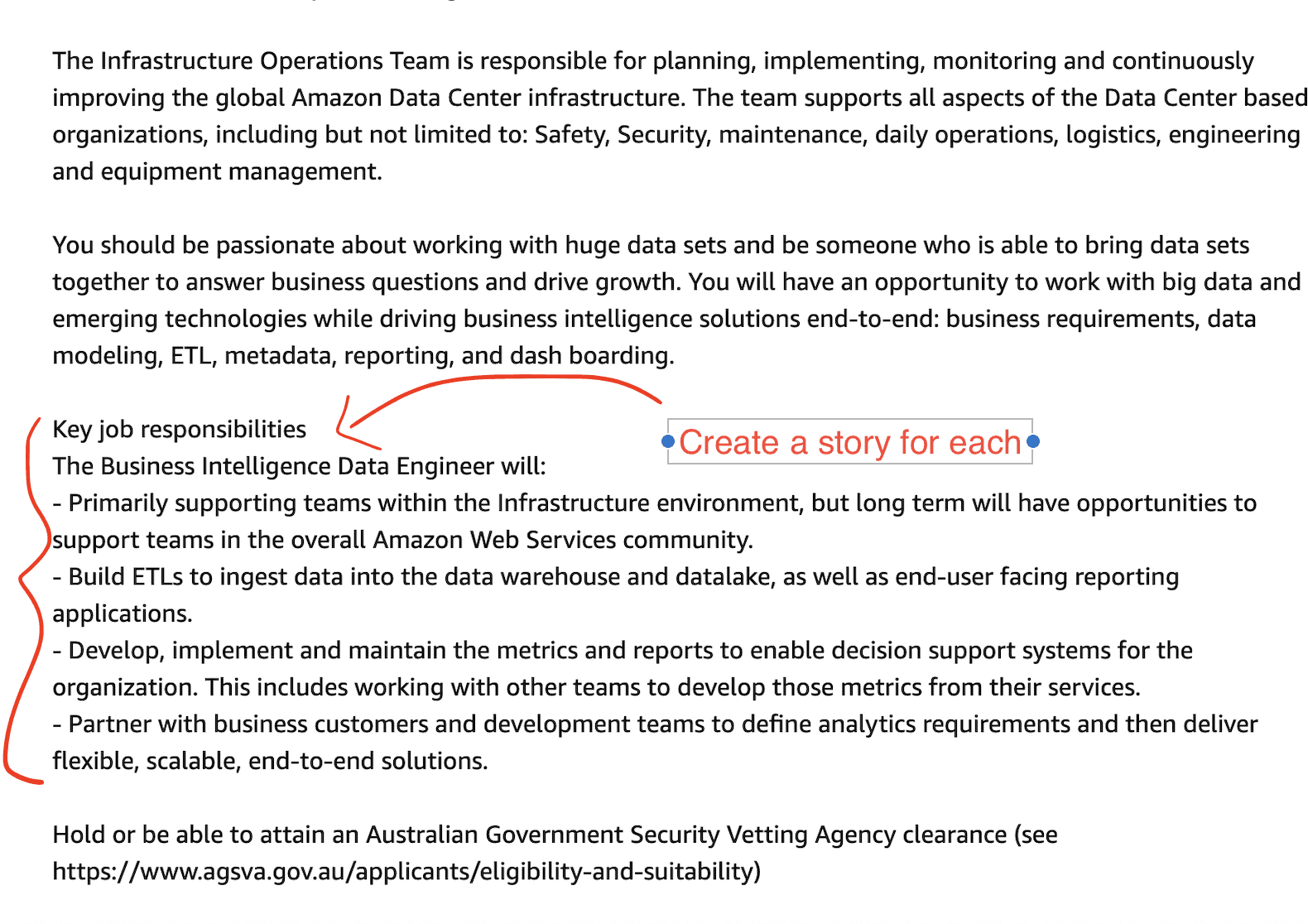
The job description tells you exactly what examples to prepare.
Look for:
Required skills
Preferred qualifications
Repeated keywords
Action verbs (manage, lead, analyze, coordinate)
For each requirement, prepare at least one example from your experience.
If the job says:
“Strong cross-functional collaboration”
Prepare a story about working with multiple departments.
If it says:
“Data-driven decision making”
Prepare a story with measurable results.
Use their language in your answers.
Step 4: Prepare Your Professional Story
You will almost always be asked:
“Tell me about yourself.”
Use a clear structure.
Option 1: Past – Present – Future
What you did
What you’re doing now
What you want next
Example:
“I started my career in operations, where I developed strong analytical skills. Currently, I work as a project coordinator managing cross-functional teams. Now, I’m looking to move into a strategic role where I can contribute to long-term business planning.”
Keep it professional. Not personal life details.
Step 5: Prepare for Common Interview Questions
Expect questions such as:
How would you describe yourself?
What are your strengths?
What are your weaknesses?
Why do you want to work here?
What motivates you?
How do you handle pressure?
Do not memorize scripts.
Instead:
Write bullet points
Practice speaking naturally
Focus on clarity and structure
If you don’t understand a question, say:
“Could you please repeat or rephrase the question?”
This is normal and professional.
Step 6: Master Behavioral Questions Using STARLF
Behavioral questions begin with:
“Tell me about a time when…”
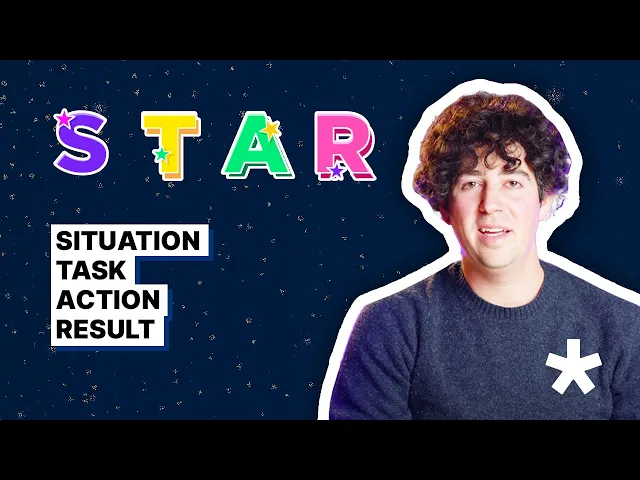
Use the STAR method:
Situation – What was happening?
Task – What was your responsibility?
Action – What did you do?
Result – What changed? IMPORTANT
You may also add:
L - Learning. what did you learn from this project?
F - framework. How do you apply what you learnt?
Example Behavioral Answer (Tech Context)
Question:
Tell me about a time when you had to deliver a project under tight deadlines.
Situation:
In my previous role as a backend developer, our team had to deliver a new API feature within two weeks due to a client contract deadline.
Task:
I was responsible for designing and implementing the authentication module.
Action:
I broke the feature into smaller milestones, clarified requirements early with the product manager, and scheduled daily 15-minute check-ins with the frontend team to avoid integration issues.
Result:
We delivered the feature on time, reduced authentication errors by 35%, and the client renewed their contract for another year.
L – Learning
What did you learn?
I learned the importance of early alignment and proactive communication. In the past, I sometimes focused too much on coding and not enough on clarifying expectations upfront. This project showed me that 30 minutes of clarification can save hours of rework later.
This shows:
Self-awareness
Growth mindset
Maturity
F – Framework
How do you apply this learning now?
Since then, I apply a simple framework to every new project:
Clarify requirements before writing code
Break work into measurable milestones
Schedule early feedback checkpoints
Review risks before starting development
This approach has helped me consistently deliver projects on time and reduce misunderstandings across teams.
This shows:
Repeatable process
Strategic thinking
Senior-level mindset
Why L + F Makes You Stand Out in English Interviews
Most candidates stop at “Result.”
But when you add:
Learning → You show reflection
Framework → You show leadership and scalability
That is what turns a “good” answer into a high-level professional answer in English interviews.
Step 7: Practice Out Loud (This Is Critical)
Thinking about answers is not the same as speaking them.
To improve:
Record yourself answering questions
Time your answers (60–90 seconds ideal)
Listen for filler words
Practice speaking slightly slower
When nervous, people speak faster. Slower speech sounds more confident and professional.
You can also role-play with a friend or simulate a mock interview with us.
Step 8: Improve Communication and Body Language
Communication is more than vocabulary.
Focus on:
Calm posture
Controlled breathing
Natural eye contact (if comfortable)
Clear tone
Pausing instead of saying “um”
Quick tip: I recommend exercising before an important interview. This burns excess nervous energy, allowing you to stay calmer in the interview.
You do not need perfect pronunciation. You need confident delivery.
Take a moment before answering difficult questions. Thinking before speaking shows maturity.
Step 9: Prepare Smart Questions to Ask
At the end of the interview, you will be asked:
“Do you have any questions?”
Never say no.
Strong examples:
What does success look like in the first 90 days?
What are the biggest challenges in this role?
How is performance measured?
What are the next steps in the hiring process?
Asking thoughtful questions demonstrates initiative and long-term interest.
Step 10: Prepare Logistics and Materials
For in-person interviews, bring:
Printed copies of your resume / CV
Notepad and pen (always take notes, this shows engagement)
Portfolio (if relevant)
Identification
Before the interview:
Plan travel time
Test internet connection (if online)
Test camera and microphone (if online)
Prepare professional attire
Avoid messy foods before attending
Iron or prepare your outfit in advance
Organization reduces stress and increases confidence.
Common Mistakes to Avoid
Memorizing answers word-for-word
Speaking too fast
Giving long, unstructured responses
Forgetting measurable results
Focussing on pronunciation and grammar rules for the interview
Not researching the company
Apologizing for your English (never do this!)
Preparation removes most of these problems.
7-Day English Interview Preparation Plan
Day 1: Research company and role (join your experience and the JD)
Day 2: Prepare 5–7 career stories
Day 3: Structure stories using STARLF
Day 4: Record and review answers (we can review these)
Day 5: Practice behavioral questions outloud
Day 6: Improve delivery and pacing by getting feedback
Day 7: Full 60 minute mock interview simulation
Repeat weekly for major improvement.
Quick Summary
To prepare for a job interview in English:
Research strategically
Analyze the job description
Structure your answers clearly
Use STAR for behavioral questions
Practice speaking out loud
Improve delivery and pacing
Prepare thoughtful questions
Treat multilingualism as an advantage
English interviews are not about perfect grammar.
They are about clarity, structure, and confidence built through deliberate practice.
At Mockly, we provide a full interview preparation platform for English interviews: Go to our guide
Preparation builds confidence. Confidence wins interviews.
FAQs
How long should interview answers be in English?
Most answers should be between 60–90 seconds. Behavioral interview answers should be around 3 minutes. Longer answers often lose structure and clarity. Focus on clear storytelling, measurable results, and controlled pacing.
Is it okay to ask the interviewer to repeat a question?
Yes. It is completely professional to say: “Could you please repeat or rephrase the question?” This shows maturity and ensures you give a structured answer instead of guessing.
Should I memorise interview answers?
No. Memorising scripts often makes your delivery sound robotic. Instead: Prepare structured bullet points Practice speaking naturally Focus on clarity and flow Structure beats memorisation.
Upgrade to premium to unlock full access
Ready for mock interviews? Get expert coaching