Self Introduction
Table of Content
Table of Content
Table of Content
Part 2: What You Do
Learn how to talk about your tech stack and working style in an interview self-introduction, focusing on relevant tools, strengths, and what sets you apart.
Introduction
After giving your background summary, the next step is to explain your technical skills and working style. This is your chance to highlight what you do best and why you’re a strong fit for the role.
How to talk about your tech stack
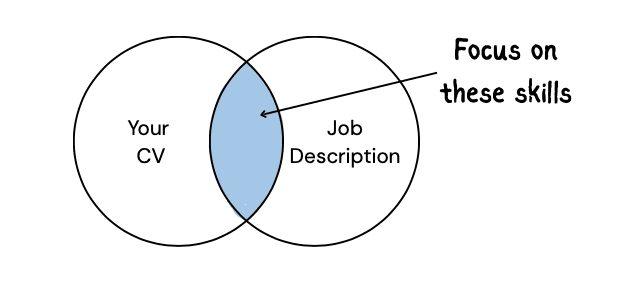
The most common mistake here is giving a long list of all the tools you've ever used. Instead, focus on your strongest, or those most relevant to the job you’re applying to.
This could be:
Programming languages
Frameworks/libraries
Tools
Platforms
Methodologies
Examples: Python, JavaScript, Django, Git, Tableau, Notion, AWS, Agile, CI/CD, Jira, Confluence
I work mainly with Python and SQL, and I’ve recently been studying for an AWS cert.
I have a strong foundation in both backend and frontend development.
How to show your working style
This is your chance to show your personality, including how you like to work and what motivates you day to day.
I really enjoy solving tricky backend challenges.
Be specific. Mention things like what kind of tasks you enjoy or how you prefer to collaborate.
I work well in environments where I can collaborate closely with other teams.
If possible, find your USP (unique selling point) and highlight what really sets you apart from other candidates.
This could be a specific combination of skills, a unique experience, or a strength that’s especially valuable to this team or company.
Introduction
After giving your background summary, the next step is to explain your technical skills and working style. This is your chance to highlight what you do best and why you’re a strong fit for the role.
How to talk about your tech stack
The most common mistake here is giving a long list of all the tools you've ever used. Instead, focus on your strongest, or those most relevant to the job you’re applying to.

This could be:
Programming languages
Frameworks/libraries
Tools
Platforms
Methodologies
Examples: Python, JavaScript, Django, Git, Tableau, Notion, AWS, Agile, CI/CD, Jira, Confluence
I work mainly with Python and SQL, and I’ve recently been studying for an AWS cert.
I have a strong foundation in both backend and frontend development.
How to show your working style
This is your chance to show your personality, including how you like to work and what motivates you day to day.
I really enjoy solving tricky backend challenges.
Be specific. Mention things like what kind of tasks you enjoy or how you prefer to collaborate.
I work well in environments where I can collaborate closely with other teams.
If possible, find your USP (unique selling point) and highlight what really sets you apart from other candidates.
This could be a specific combination of skills, a unique experience, or a strength that’s especially valuable to this team or company.
Introduction
After giving your background summary, the next step is to explain your technical skills and working style. This is your chance to highlight what you do best and why you’re a strong fit for the role.
How to talk about your tech stack
The most common mistake here is giving a long list of all the tools you've ever used. Instead, focus on your strongest, or those most relevant to the job you’re applying to.

This could be:
Programming languages
Frameworks/libraries
Tools
Platforms
Methodologies
Examples: Python, JavaScript, Django, Git, Tableau, Notion, AWS, Agile, CI/CD, Jira, Confluence
I work mainly with Python and SQL, and I’ve recently been studying for an AWS cert.
I have a strong foundation in both backend and frontend development.
How to show your working style
This is your chance to show your personality, including how you like to work and what motivates you day to day.
I really enjoy solving tricky backend challenges.
Be specific. Mention things like what kind of tasks you enjoy or how you prefer to collaborate.
I work well in environments where I can collaborate closely with other teams.
If possible, find your USP (unique selling point) and highlight what really sets you apart from other candidates.
This could be a specific combination of skills, a unique experience, or a strength that’s especially valuable to this team or company.
Upgrade to premium to unlock full access
Ready for mock interviews? Get expert coaching